
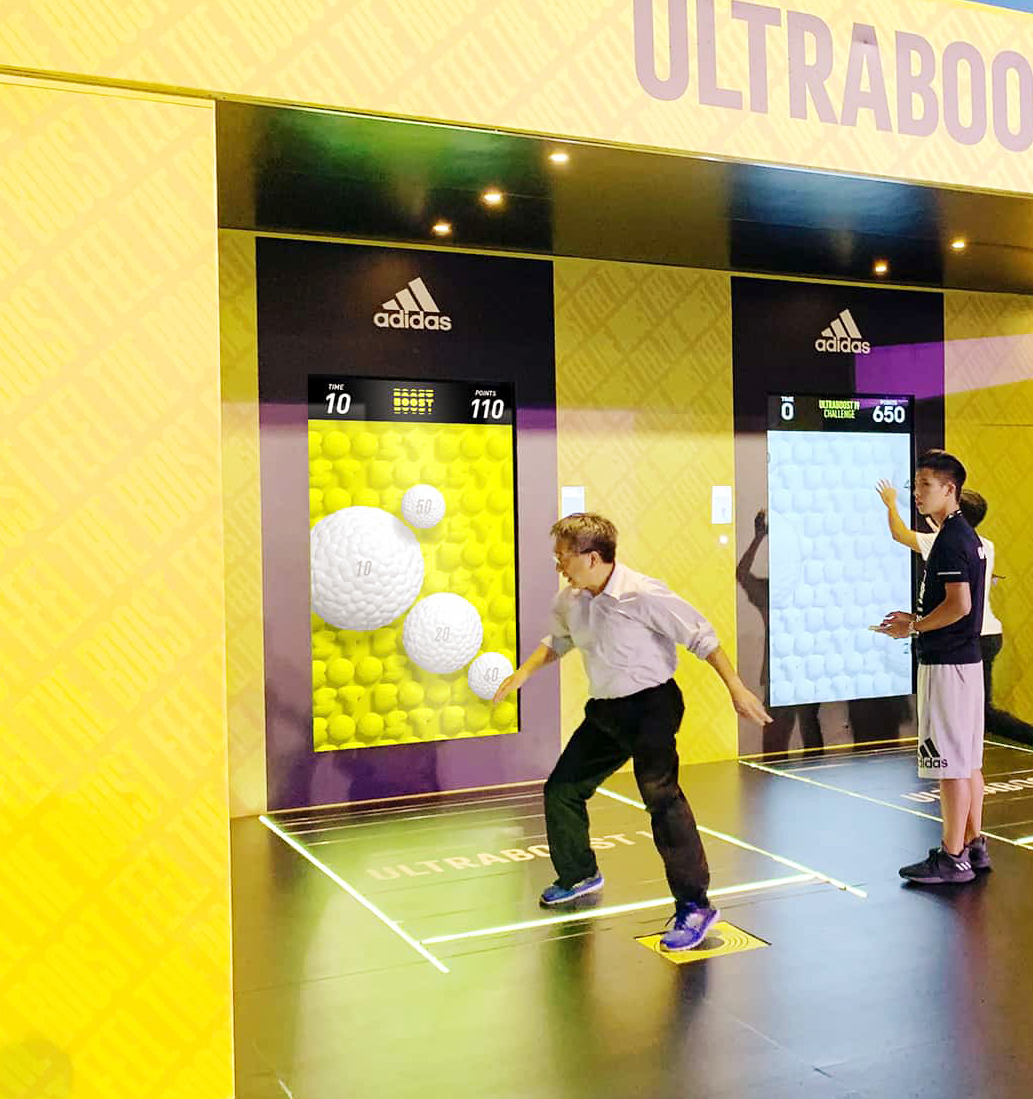
Personalised fan experiences are quickly becoming the new standard in live sport. What once felt innovative is now expected. Audiences no longer respond to one size fits all content. They expect environments that recognise their preferences, adapt in real time, and deliver moments that feel relevant to them.
Learn how technology is transforming personalisation inside live sports environments →
Industry research highlights that AI driven engagement is becoming a baseline expectation. According to Deloitte Sports Marketing Trends 2025, sports organisations are investing in data powered systems that enable tailored content, adaptive digital touchpoints, and smarter fan journeys. Initiatives such as the NASCAR In Season Challenge demonstrate how dynamic formats and data led storytelling deepen engagement across live and broadcast environments.
Relevance is becoming more important than reach. Experiences that reflect fan identity, behaviour, and context increase emotional connection, time spent, and commercial value.
So how is AI changing live sports engagement? How does real time data translate into adaptive content inside stadiums? And what does personalised interaction mean for the future of fan experience?
We explore this and more.
Live sport now operates within a broader attention economy where fans are constantly comparing experiences across platforms. They move between streaming services, social media feeds, gaming environments, and ecommerce journeys that continuously adapt to their behaviour. In those spaces, content is filtered, prioritised and personalised in real time, which gradually shapes expectations about how experiences should feel.
See how FutureLabs applies these formats across real-world sports activations →
When fans step into a stadium, that expectation does not disappear. Instead, the contrast becomes more visible. A live environment that delivers the same message to everyone can feel static when audiences are used to relevance elsewhere. Personalisation becomes important not because it is new, but because it aligns the live experience with how people already consume content outside the venue.
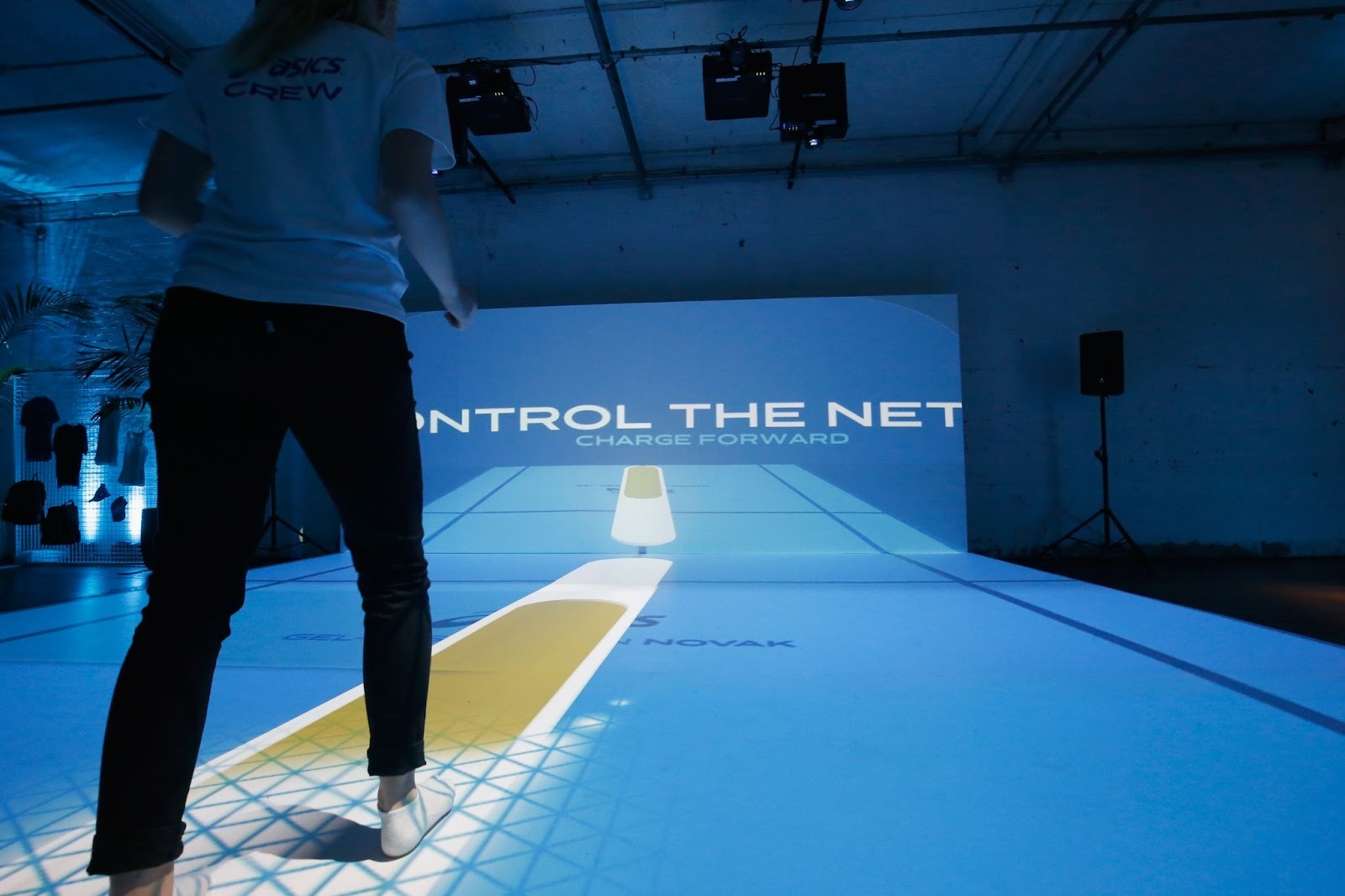
Photo: FutureLabs | ASICS Djokovic Challenge: Interactive Tennis Installation
When content, interactions, or challenges reflect individual interests or behaviour, fans feel recognised rather than broadcast to. That recognition strengthens engagement, extends dwell time, and deepens emotional connection across the event lifecycle.
For venues and brands, personalisation is more about alignment. It ensures that live sport continues to evolve in step with audience expectations, rather than lagging behind them.
Personalisation in live sport is not one tool or one activation. It is delivered through layered formats that combine physical, digital, and behavioural inputs. Below are four of the most common and fastest growing formats shaping personalised live sports engagement.
Interactive fan zones are evolving from generic activities into responsive environments. Rather than offering the same challenge to every attendee, these spaces now adapt based on participation level, age group, or previous engagement.
See how FutureLabs designs gamified, adaptive fan zones in real stadium environments →
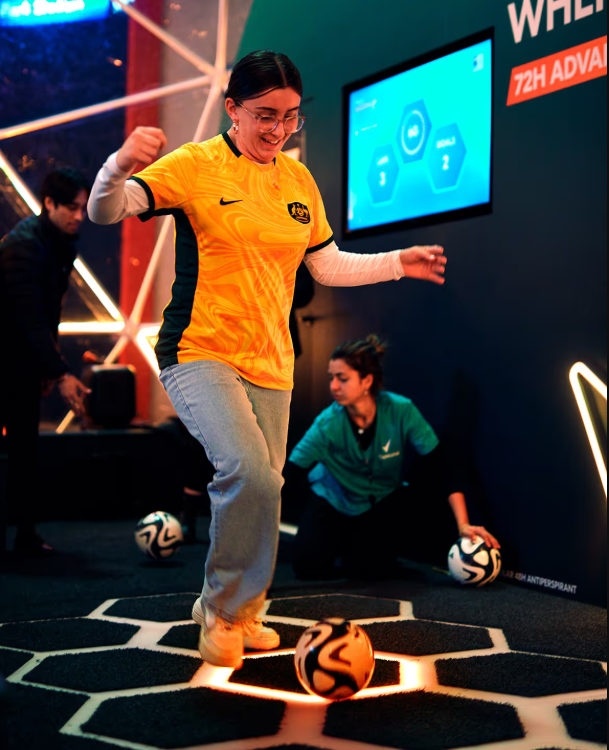
Photo: FutureLabs
Technology enables variable difficulty levels, personalised scoring, and context aware prompts. A first time visitor might receive guided instructions, while a returning participant unlocks advanced challenges or new content layers.
This format keeps the experience inclusive while rewarding deeper engagement. It also supports repeat interaction across a single event or even an entire season.
This approach aligns closely with how FutureLabs designs gamified fan zones and participatory activations, where engagement mechanics are built to scale across different audience segments.
Fans increasingly expect content that reflects their presence at the event. Technology allows live environments to generate personalised media moments such as dynamic photo outputs, contextual overlays, or customised highlight visuals.
Explore how FutureLabs creates personalised media moments that extend live sport into social →
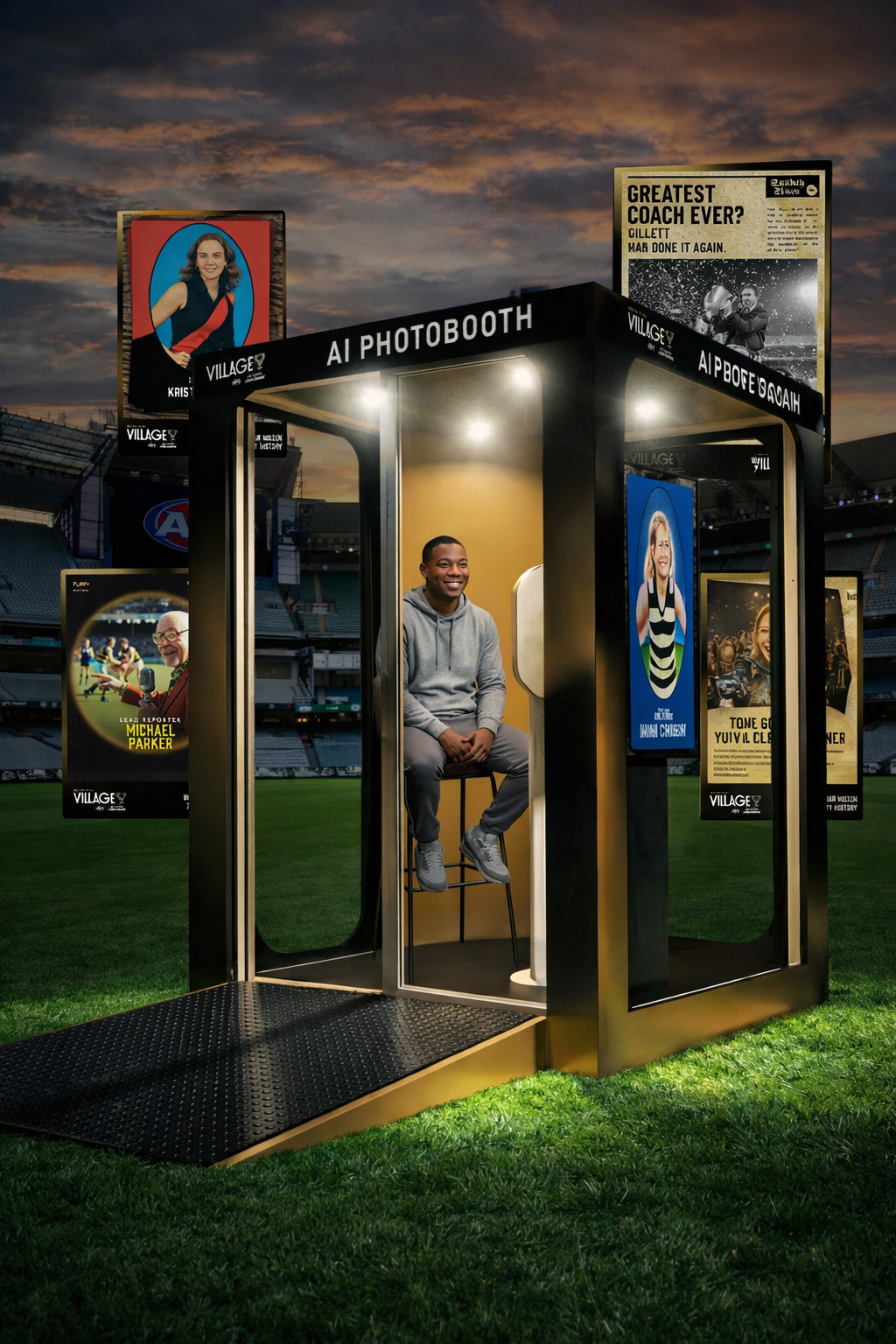
Photo: FutureLabs | AFL 70’s AI Photobooth
Instead of static branding, fans receive content shaped by their team preference, participation input, or real time event context. These outputs extend the live moment into digital channels and increase shareability without feeling forced.
Large format screens are no longer limited to broadcast feeds and sponsor loops. Increasingly, they function as adaptive communication layers that respond to crowd behaviour, engagement metrics, or live participation levels.
Discover how FutureLabs builds responsive digital layers inside live venues →
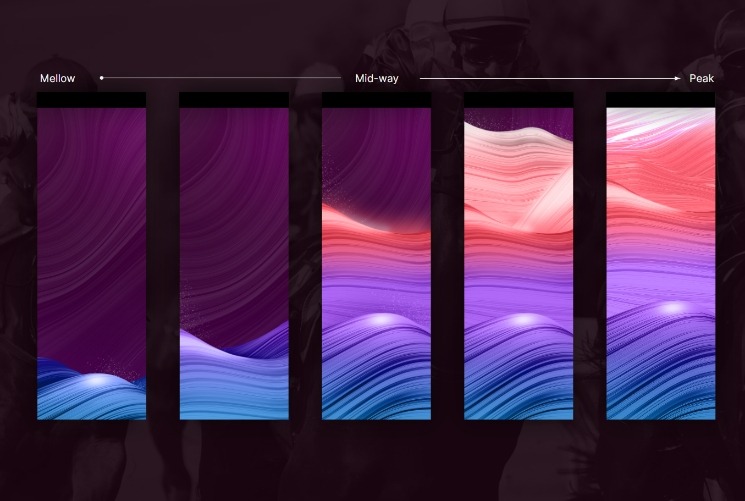
Photo: FutureLabs | Victorian Racing Club: The Art of Joy
Content can shift based on zone, time, or audience profile. Hospitality areas may display deeper insights and premium content, while general zones surface interactive prompts or live fan responses.
This makes the stadium environment feel alive rather than pre programmed. It also provides sponsors with contextual relevance rather than blanket exposure.
Personalisation becomes most powerful when it connects multiple touchpoints into a cohesive journey. Mobile platforms, physical installations, participation data, and digital outputs can work together to shape a more relevant pathway for each fan.
View how FutureLabs connects multiple touchpoints into cohesive, measurable fan journeys →

Photo: FutureLabs | adidas Sport Base: Fan Passport
A fan might begin with a personalised challenge, receive a tailored content output, unlock a contextual reward, and later see their engagement reflected on a public display. Each step builds continuity.
This format transforms the event from a sequence of standalone moments into a connected experience layer. It increases dwell time, deepens engagement, and supports measurable outcomes across ticketing, sponsorship, and loyalty programs.
As personalisation becomes more embedded in live sports environments, its impact extends beyond engagement. It directly influences commercial performance.
When experiences feel relevant, fans stay longer. When interactions reflect identity or behaviour, participation increases. When content adapts to context, sponsor messaging becomes more effective. Personalisation strengthens the quality of engagement, not just the volume.
For venues and rights holders, this means shifting from broad exposure models toward value driven interaction. Instead of asking how many impressions were delivered, the focus moves to how deeply fans engaged, how long they stayed within activation zones, and how often they returned across the event lifecycle.
For brands, personalised engagement creates more meaningful touchpoints. When fans opt into challenges, receive tailored content, or unlock contextual rewards, brand association becomes active rather than passive. That distinction increases recall and strengthens long term connection.
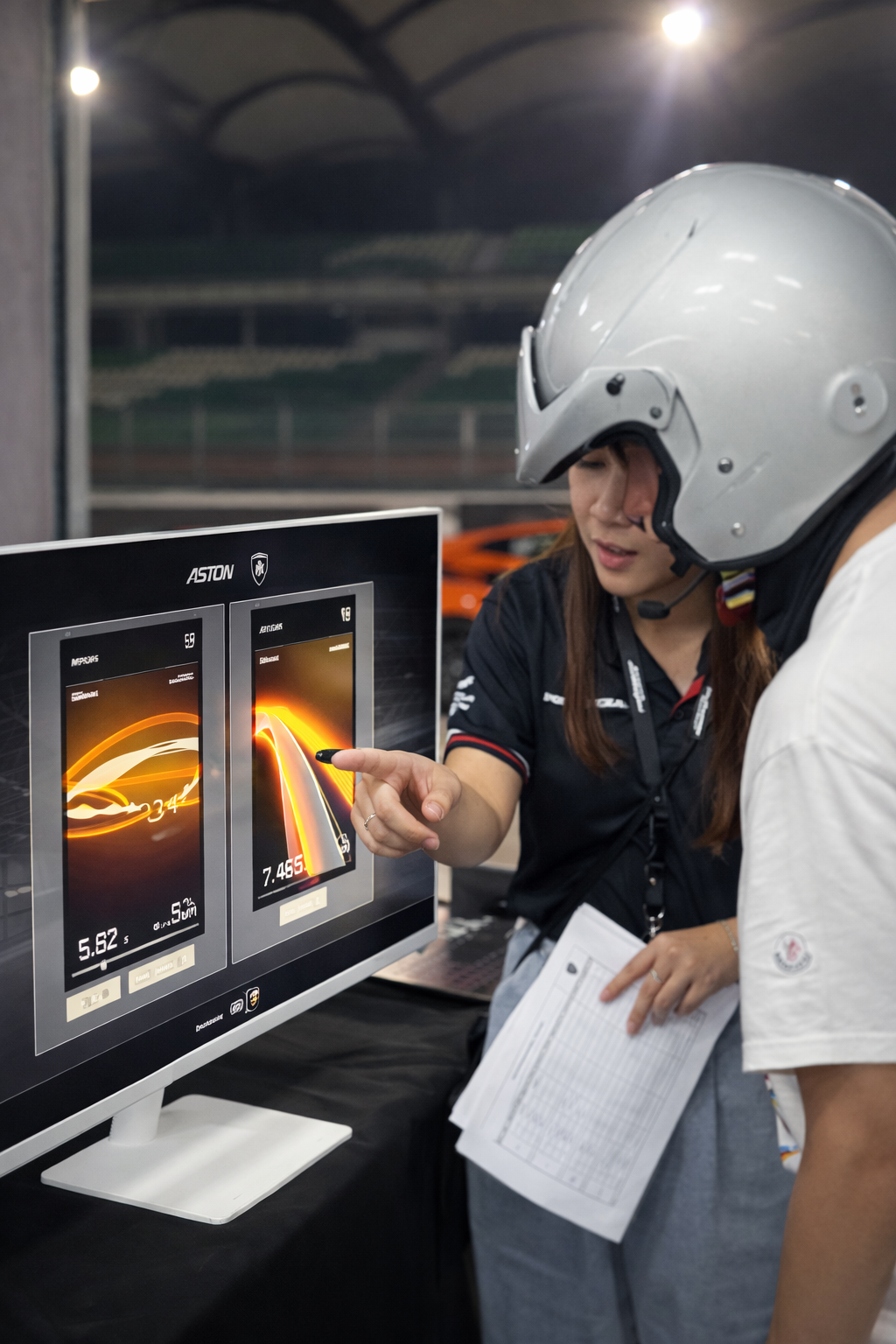
At FutureLabs, personalisation is approached as an integrated design strategy rather than a single feature. AI Photobooth systems, adaptive content layers, gamified participation zones, and connected interaction frameworks are built to perform reliably in high traffic live environments while delivering measurable outcomes.
The goal is not to overwhelm fans with technology. It is to create environments that feel more responsive, more relevant, and more aligned with how audiences already experience digital ecosystems outside the stadium.
Live sport will always centre around the moment on the field. But the environments surrounding that moment are evolving. As technology enables smarter, more personalised engagement, the stadium becomes more than a venue. It becomes a responsive platform.
If you are planning your next live sports activation, now is the time to rethink how personalisation can shape fan experience and commercial value.